
Exploring the psychological triggers that influence gambling behavior in casinos
The Allure of Near Misses
One of the most compelling psychological triggers in gambling is the concept of “near misses.” This phenomenon occurs when a player comes close to winning, such as spinning two matching symbols on a slot machine and missing the third by a narrow margin. Research indicates that near misses can create a heightened sense of anticipation and excitement, leading gamblers to continue playing in hopes of achieving that elusive victory. This is particularly evident when players are engaged in casino online environments, where the game dynamics can amplify these feelings.
These near misses can trick the brain into thinking that success is just within reach, reinforcing the desire to gamble. This behavior can become compulsive, as players may rationalize that they are “due” for a win. The emotional response elicited by near misses plays a significant role in maintaining gambling behavior, making it a powerful psychological trigger in casinos.
The Role of Environment
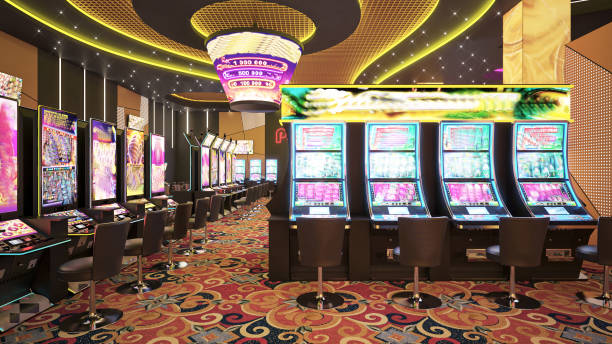
The environment of a casino is meticulously designed to enhance the gambling experience. Factors like lighting, sounds, and layout all contribute to a setting that encourages prolonged engagement. Bright lights and cheerful sounds from winning machines create a celebratory atmosphere that can heighten excitement and encourage players to stay longer.
Moreover, casinos often employ strategies such as removing clocks and windows, creating a sense of timelessness that makes it easier for players to lose track of time. This manipulation of the physical environment can intensify gambling behavior, as players are enveloped in an ambiance that promotes continued play and spending.
Social Influences and Peer Pressure
Social dynamics also play a crucial role in gambling behavior. The presence of other players can create an atmosphere of shared excitement and competition. Many gamblers report feeling more inclined to bet when surrounded by peers or witnessing others winning. This social proof can lead individuals to gamble more than they initially planned, as they are influenced by the emotions and actions of those around them.
Additionally, social media and the rise of online gaming have amplified this effect. Players often share their gambling experiences, which can create a sense of community and encourage others to participate. This social influence underscores how interconnected human behavior can affect gambling habits, making it a vital aspect of understanding why individuals gamble.
The Psychology of Reward Systems
Casinos employ complex reward systems to entice and retain players. These systems include loyalty programs, bonuses, and jackpots that create a sense of value and expectation. The anticipation of rewards can trigger the release of dopamine in the brain, reinforcing the desire to keep playing. Gamblers often chase these rewards, leading to repeated visits and prolonged gaming sessions.
Furthermore, intermittent reinforcement—where rewards are given unpredictably—can be particularly addictive. This unpredictability keeps players engaged, as they never know when the next win will occur. Understanding the psychological mechanisms behind reward systems can help explain why people continue to gamble, even when faced with losses.
Finding Your Perfect Casino
When seeking the right online or land-based casino, it’s essential to be informed about various platforms. Evaluating user experiences, security measures, and game variety is crucial for making educated decisions. Understanding the psychological triggers influencing gambling behavior can also help players choose environments that align with their preferences.
By recognizing these triggers, players can better navigate their gaming experiences, enabling them to enjoy gambling responsibly. Whether looking for excitement or social engagement, understanding how psychological factors influence behavior will lead to a more fulfilling and safer gambling experience.